
Grand National Specials Betting: Novelty Markets Beyond Win and Place
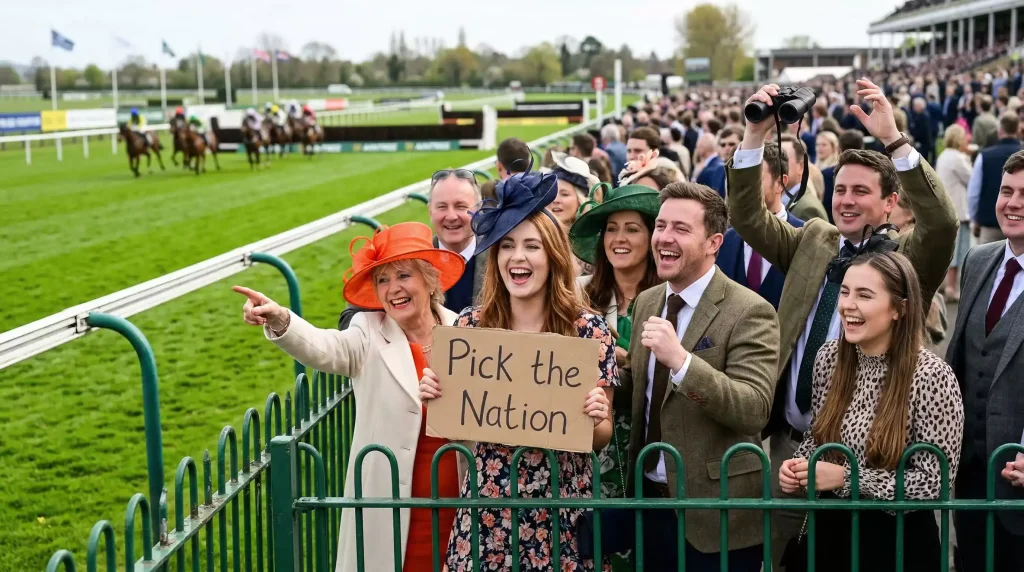
The Grand National is not just a horse race. It is a national event, a communal experience, a day when even people who could not name a single racehorse the rest of the year suddenly develop strong opinions about which one will cross the line first. That cultural reach — around 13 million Britons have a flutter on the race annually — means the betting markets extend well beyond the standard win and each-way options. Specials markets, also known as novelty bets, offer punters the chance to bet on almost anything connected to the Grand National that can be settled with an objective outcome. They are the side dishes on a menu built around the main course, and they can be surprisingly good value.
What Are Specials Markets on the Grand National?
Specials are betting markets that do not involve picking the outright winner of the race. Instead, they focus on other quantifiable aspects of the Grand National — how many horses finish, which country the winner comes from, what age the winning horse is, whether the favourite completes the course, and dozens of other propositions that bookmakers dream up in the weeks before the race.
The appeal is partly that they offer a different angle for punters who find the 34-runner field too intimidating to analyse for a straight win bet. If you do not have a clue which horse is going to win but you have noticed that Irish-trained runners have dominated recent renewals, you can back “Ireland” in the winning country market. If you have read that the ground is likely to be soft and expect a high attrition rate, you can bet on the number of finishers falling below a certain threshold.
The 2026 Grand National illustrates the point neatly. In that year’s race, 21 of the 32 starters completed the course — a high completion rate by historical standards, but still a third of the field did not finish. If that ratio had been predictable in advance (and to some extent it was, given the safety reforms and smaller field), a bet on “over 20 finishers” could have landed at decent odds. These are the kinds of markets where a little research goes further than raw luck.
Specials are typically offered with fixed odds rather than starting price. The bookmaker sets a price for each outcome, and those prices are available in the days or weeks before the race. They do not move as dynamically as the win market, which means there is sometimes value to be found if you get in early before the bookmaker adjusts.
Popular Grand National Specials: From Finishers to Winning Nation
The range of specials markets varies between bookmakers, but there are several categories that appear almost every year.
Number of finishers. This is one of the most commonly offered specials. Bookmakers set an over/under line — say, 18.5 finishers — and you bet on whether the actual number will be higher or lower. The line is typically set based on recent trends, and it can offer genuine value if you have a view on how the ground conditions and field quality might affect the completion rate.
Winning country. Will the winner be trained in Britain or Ireland? Given Willie Mullins’ extraordinary dominance in recent years — his yard saddled six of the first seven home in 2026 — the “Ireland” side of this market has shortened considerably. But the price still fluctuates with the composition of the field, and in years where the ante-post market favours a British-trained runner, backing Ireland can offer value against the historical trend.
Winning trainer. A variation on the country market, this allows you to bet on specific trainers. In a race where a handful of yards dominate the entries, this market can be more concentrated — and therefore more predictable — than the outright win market.
Winning jockey. Similar to the trainer market, but focused on the rider. Amateur jockeys riding in the National add an extra layer of unpredictability — and, for specials punters, an extra opportunity. Patrick Mullins, an amateur, rode the 2026 winner.
Favourite to complete the course. This is a simple yes/no proposition. Will the race favourite finish the race? Given the inherent dangers of four miles and 30 fences, even the best-fancied horse faces a meaningful chance of falling, unseating its rider, or being pulled up. The “no” side of this market can be surprisingly well priced.
Winning distance. Some bookmakers offer markets on the margin of victory — whether the winner will triumph by a length or less, between one and five lengths, or by more than five. A tight finish is always possible in a marathon race, but so is a dominant front-running display. This market rewards punters who have a view on the running style and stamina of the leading contenders.
Age of the winner. The winning age range in the Grand National tends to cluster between eight and eleven years old, though younger and older horses have won on occasion. A market offering odds on age brackets can be a useful bet if you believe, for example, that the field is particularly strong in experienced ten-year-olds.
As Gráinne Hurst, Chief Executive of the Betting and Gaming Council, has observed: the Grand National is “one of the precious few sporting events in this country with the ability to unite the entire nation around a single spectacle.” That universal appeal is what makes specials markets viable — there is enough public interest in every aspect of the race to sustain markets that would not exist for a regular Saturday handicap.
Finding Value in Grand National Specials
Value in specials markets often comes from patterns that the casual market overlooks. Bookmakers set their specials prices based partly on recent results and partly on public perception, and the two do not always align.
Take the number of finishers market. The average completion rate in the Grand National has improved significantly since the field was reduced from 40 to 34 and fences were modified for safety. If a bookmaker sets the over/under line based on older data that includes higher-attrition years, the “over” side may be underpriced. Conversely, if the ground is heavy and the field is particularly deep in quality, the “under” could offer better value than the market implies.
The winning country market is another area where form and emotion diverge. British punters tend to favour British-trained horses, which can push the “Britain” price shorter than the data warrants. Irish-trained runners have won six of the last eight Grand Nationals, yet the market does not always reflect that dominance accurately — particularly early in the ante-post cycle, before the full entries are known.
The key to specials betting is the same as any other market: look for spots where the probability of an outcome is higher than the price implies. The difference is that specials markets are less heavily traded than the win market, which means mispricings can persist for longer. A punter who does their homework on recent completion rates, trainer records and country trends can find edges that the win market, with its thousands of shrewd backers, has already priced out.
One final note: specials markets are not available at every bookmaker, and settlement rules can vary. Check the terms before you place your bet — particularly on markets like “winning distance” or “number of fallers,” where the exact definitions may differ between operators. Beyond the winner, there is a whole world of Grand National betting waiting to be explored. The odds are there for the taking.